
Categories
 Sarees
 Women’s Wear
 Men's Wear
TOP RATED PRODUCTS
-
 shrug for ladies #111
Original price was: ₹950.00.₹450.00Current price is: ₹450.00.
-
 3 pic set #jh110
Original price was: ₹800.00.₹600.00Current price is: ₹600.00.
-
 New launch saree #jh109
Original price was: ₹8,500.00.₹4,200.00Current price is: ₹4,200.00.
-
 Rajhuns paithani #jh106
Original price was: ₹1,499.00.₹850.00Current price is: ₹850.00.
-
 lehriya anarkali pattern #jh111
Original price was: ₹2,600.00.₹1,400.00Current price is: ₹1,400.00.
GALLERY










CLIENT'S TESTOMONIAL

Preeti
Amazing collection and great pricing! The designs are unique, and delivery was super fast.

Rohini
Absolutely love the quality of Jai Hind Mills sarees! The fabric is so soft and elegant. Will shop again!
The key questions surrounding DK88 domain and source verification
Reviewing a page associated with DK88 becomes more constructive when the points to resolve are concrete and the answers verifiable.
What follows is a framework for DK88 domain and source verification, designed to be applied without opening a real-money account.
A clear distinction between what is available and what is assumed makes the resulting comparison more reliable.
First, open the linked homepage at dk88-my.info to understand the scope of what is actually stated on that page.
Brand spelling variations
The query of how brand names appear in search deserves attention before a prospective user reaches for a quick verdict. A newcomer who pays attention to hyphenated or unhyphenated spellings gains a more useful basis for comparing one page with another. Another worthwhile check concerns spacing within a domain label; it can change how detail works on a other screen or page.
The most misleading result comes from assuming similar text proves ownership, particularly when the original supporting context is incomplete. A cautious visitor can use a spelling-and-address comparison to reduce ambiguity while keeping the comparison non-transactional. This matters most when viewed from name matching as a starting point, bringing the discussion back to observable details.
Examining structure of a full URL
When a DK88-related page is assessed, structure of a full URL offers a straightforward opening point for the inspection. An inspection of differences between host and path turns an abstract judgement into a concrete observation that can be recorded. The picture becomes fuller when attention turns to how schemes and subdomains appear alongside the first observation rather than in isolation.
The common shortcut to avoid is confusing a page title with the host; it turns an uncertain impression into an unsupported conclusion. Make the process testable through a browser-address breakdown, focusing on presented supporting context rather than expected outcomes. A fair review keeps basic source identification in view while recognising that individuals value different details.
The final editorial pass should test the strength of every assertion about basic source identification. Can the statement be linked to how schemes and subdomains appear, or is it merely an interpretation of styling? Where a direct check is possible, complete a browser-address breakdown; where it is not, explain the boundary. This keeps a DK88-oriented article informative without inventing operational facts.
Domain identity clues
An effective starting point is to consider consistency of on-page identifiers, since that detail frames how the rest of the site interface should be interpreted. Put contact details tied to a site through a basic task-oriented check before describing the visible design as clear or confusing. Another useful check concerns disclosures that describe an operator; it can change how source material works on a other screen or page.
The common shortcut to avoid is using a logo as sole evidence; it turns an uncertain impression into an unsupported conclusion. It helps to perform a cross-page identity review and distinguish what was seen on the source page from what still needs confirmation. Seen through what the site actually documents, the recorded detail is a more nuanced judgement than a simple positive or negative label.
What redirect interpretation reveals
It is worth examining changes in visible hostnames as a separate issue instead of folding every observation into one general score. Observe intermediate navigation behavior with care; the available finding often says more about usability than a persuasive promotional slogan. Paying attention to the final address after opening helps distinguish a functional explanation from mere decoration.
An avoidable review error is assuming every redirect is safe, because it can make an unverified assertion sound established. Make the process testable through a before-and-after URL check, focusing on accessible supporting context rather than expected outcomes. This matters most when viewed from traceable navigation outcomes, thereby treating documentation as more important than slogans.
- Core topic: follow the site’s wording on changes in visible hostnames.
- First observation: identify gaps around intermediate navigation behavior.
- Second observation: record what the final address after opening demonstrates.
- Practical test: note the available evidence on a before-and-after URL check.
Common questions about the distinction between snippets and pages
When a DK88-related page is assessed, the distinction between snippets and pages offers a workable opening point for the inspection. By noting stale descriptions in search indexes, a first-time reader can explain the reasoning behind a conclusion rather than supplying an unexplained score. Also consider advertising labels when present; overlooked specifics at this level can affect overall navigation comfort.
Beware of accepting a snippet as current policy: prominence is no substitute for verifiable details. A focused response is a page-level verification visit, performed without creating a financial commitment. In the relevant detail of primary information over search summaries, recording a limitation should count as evidence rather than failure alone.
An uncomplicated editorial technique is to make two columns: observations and queries. Place stale descriptions in search indexes under observations only when it has been checked, and put any uncertainty around accepting a snippet as current policy in the second column. This approach prevents a measured first impression from quietly turning into a displayed fact about the brand.
Assessing Whether a reference is editorial
Readers can establish a sound baseline by examining whether a reference is editorial without presuming a particular operating company. Check the destination shown on hover in supporting explanation, as a frozen screen offers only partial evidence. The picture becomes fuller when attention turns to unexpected tracking parameters alongside the first observation rather than in isolation.
The analysis becomes less credible whenever treating every backlink as endorsement substitutes for checking the observed source. It helps to perform a link-destination inspection and distinguish what was seen at the source from what still needs confirmation. In the surrounding information of separating discovery from trust, recording a limitation helps balance the record of strengths.
Assessing Agreement among information pages
A conscientious walkthrough gives early attention to agreement among information pages and avoids treating visual polish as an answer. An interested person who pays attention to definitions repeated across sections gains a more productive basis for comparing one page with another. The picture becomes fuller when attention turns to dates and wording of published policies alongside the first observation rather than in isolation.
Beware of ignoring contradictory explanations: a large headline provides no independent proof. A practical response is a multi-page consistency table, performed without committing money or entering unnecessary personal details. Interpreting the finding through quality of supporting evidence helps avoid sweeping claims about services not independently verified.
| Review dimension | Evidence to look for |
|---|---|
| Agreement Among Information Pages | Clarity around definitions repeated across sections |
| Quality Of Supporting Evidence | How to document definitions repeated across sections |
Browser warning signs
When a DK88-related page is assessed, unusual requests for sensitive data offers a focused opening point for the inspection. Put unexpected download invitations through a basic task-oriented check before describing the interaction layer as clear or confusing. Before moving on, inspect the presentation of confusing permission prompts and ask whether newcomers receive enough surrounding information to interpret it.
The most misleading result comes from clicking through warnings automatically, particularly when the original supporting context is incomplete. A cautious visitor can use a cautious interruption check to reduce ambiguity while keeping the editorial judgement non-transactional. This matters most when viewed from decisions informed by visible risk, placing clarity ahead of promotional enthusiasm.
The final editorial pass should test the strength of every assertion about decisions informed by visible risk. Can the statement be linked to confusing permission prompts, or is it merely an interpretation of styling? Where a direct check is possible, complete a cautious interruption check; where it is not, explain the boundary. This keeps a DK88-oriented article informative without inventing operational facts.
Why confidence in site attribution matters
A diligent walkthrough gives early attention to confidence in site attribution and avoids treating visual polish as an answer. Put the source of each stated claim through a basic task-oriented check before describing the site UI as clear or confusing. Paying attention to remaining unknowns worth checking helps distinguish a functional explanation from mere decoration.
Where direct observations is limited, inventing an official-status declaration should be treated as a warning about the way of checking, not an acceptable shortcut. One straightforward verification method is a documented source ledger; this is more informative than assuming what happens next. From the standpoint of trust calibrated to evidence, plain explanations often matter more than attention-grabbing presentation.
Putting the evidence together
No single screenshot settles a website assessment; the explanation behind each conclusion matters more.
A cautious reader can return to the applicable policies whenever a statement seems ambiguous or promotional.

ABOUT US

Jai Hind Mills – A trusted name in premium textiles, blending tradition with innovation to deliver superior quality fabrics.
FEATURED PRODUCTS

AD WIDGET

FROM THE BLOG

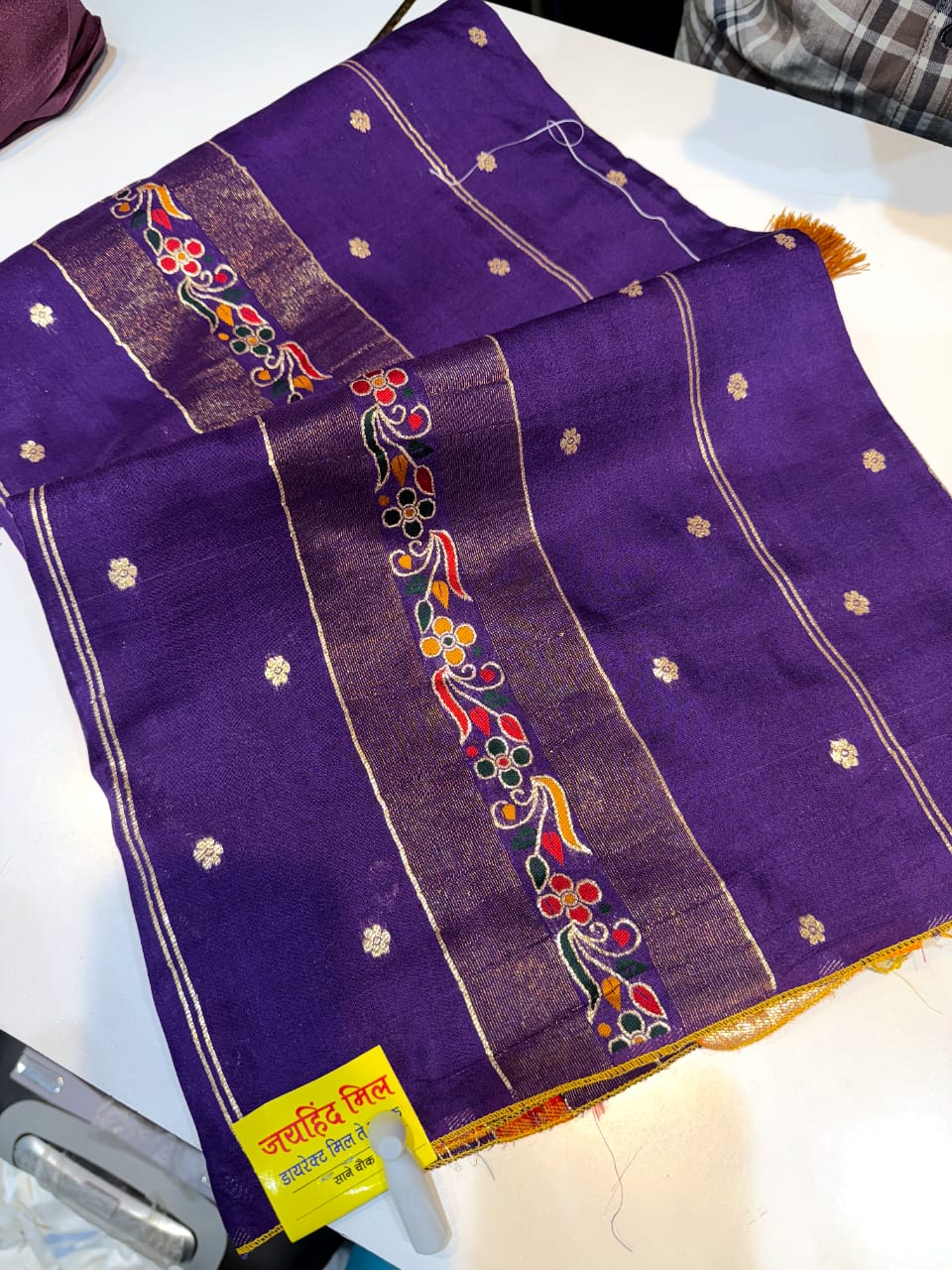
Step into the world of elegance and tradition with Jaihind Mill’s exclusive saree collection. Whether you’re looking for a classic silk saree, a trendy designer drape, or a light and comfortable daily wear, we have something special for every occasion — and now, you can shop it all online! Our saree collection is carefully curated …
Beautiful Saree Collection Now Available Online – Shop at Jaihind MillRead More