
Categories
 Sarees
 Women’s Wear
 Men's Wear
TOP RATED PRODUCTS
-
 Rajhuns paithani #jh106
Original price was: ₹1,499.00.₹850.00Current price is: ₹850.00.
-
 lehriya anarkali pattern #jh111
Original price was: ₹2,600.00.₹1,400.00Current price is: ₹1,400.00.
-
 New designer saree #jh110
Original price was: ₹3,700.00.₹2,500.00Current price is: ₹2,500.00.
-
 Lotas border saree #jh109
Original price was: ₹1,950.00.₹1,000.00Current price is: ₹1,000.00.
-
 3 pis #jh108
Original price was: ₹1,500.00.₹950.00Current price is: ₹950.00.
GALLERY










CLIENT'S TESTOMONIAL

Preeti
Amazing collection and great pricing! The designs are unique, and delivery was super fast.

Rohini
Absolutely love the quality of Jai Hind Mills sarees! The fabric is so soft and elegant. Will shop again!
Evaluating DK88 domain and source verification step by step
Rather than starting with a score, consider the considerations a visitor wants answered on a DK88-associated domain.
The article explores DK88 domain and source verification by asking whether substantial supporting context is displayed, intelligible and consistent.
The purpose is informed interpretation; access to a feature or offer must be checked from an appropriate primary source.
Start the comparison with dk88 casino and use the content itself as documentation rather than relying on an external snippet.
A practical check: brand spelling variations
Rather than scoring a homepage on atmosphere alone, consider what how brand names appear in search reveals to an general visitor. Check hyphenated or unhyphenated spellings in context, because the experience cannot be judged from one frame. Paying attention to spacing within a domain label helps distinguish a functional explanation from mere decoration.
Do not replace observation with assuming similar text proves ownership; record the missing supporting detail plainly if it is not available. To keep the verdict grounded, use a spelling-and-address comparison and write down what the test actually demonstrates. From the standpoint of name matching as a starting point, plain explanations often matter more than attention-grabbing presentation.
Assessing Structure of a full url
A meaningful starting point is to consider structure of a full URL, since that detail frames how the rest of the viewed page should be interpreted. Observe differences between host and path attentively; the available finding often says more about usability than a persuasive promotional slogan. The editorial check should not end with one visual impression: how schemes and subdomains appear offers a complementary test of quality.
Care is needed around confusing a page title with the host, a habit which may leave key questions unanswered. A worthwhile checkpoint is a browser-address breakdown, followed by an itemized note on what remains ambiguous. Seen through basic source identification, the finding is a more nuanced judgement than a straightforward positive or negative label.
For a concise comparison, give yourself one regular task and trace the steps it requires. Watch for confusing a page title with the host, then use a browser-address breakdown to bring the discussion back to direct observations. Writing down the route taken helps another person reproduce the inspection without adopting the reviewer’s assumptions.
What domain identity clues reveals
When a DK88-related page is assessed, consistency of on-page identifiers offers a realistic opening point for the inspection. Observe contact details tied to a site with close attention; the outcome often says more about usability than a persuasive promotional slogan. Also consider disclosures that describe an operator; overlooked items at this level may influence a visitor across several pages.
The common shortcut to avoid is using a logo as sole evidence; it turns an uncertain impression into an unsupported conclusion. A task-based response is a cross-page identity review, performed with no need to transfer funds or submit documents. The broader lesson concerns what the site actually documents; the point is not to invent certainty where the page gives none.
Understanding redirect interpretation
The topic of changes in visible hostnames deserves attention before an ordinary visitor reaches for a quick verdict. A reader who pays attention to intermediate navigation behavior gains a more useful basis for comparing one page with another. Also consider the final address after opening; overlooked elements at this level can shape the broader browsing journey.
Beware of assuming every redirect is safe: an emphatic promise still requires documentary support. It helps to perform a before-and-after URL check and distinguish what was seen first-hand from what still needs confirmation. From the standpoint of traceable navigation outcomes, plain explanations often matter more than attention-grabbing presentation.
- Core topic: verify how changes in visible hostnames is presented.
- First observation: note the available evidence on intermediate navigation behavior.
- Second observation: identify gaps around the final address after opening.
- Practical test: record what a before-and-after URL check demonstrates.
Common questions about the distinction between snippets and pages
When a DK88-related page is assessed, the distinction between snippets and pages offers a straightforward opening point for the inspection. A visitor who pays attention to stale descriptions in search indexes gains a more worthwhile basis for comparing one page with another. Also consider advertising labels when present; overlooked specifics at this level can carry consequences beyond one screen.
The evaluation becomes less credible whenever accepting a snippet as current policy substitutes for checking the concrete source. It helps to perform a page-level verification visit and distinguish what was seen at the source from what still needs confirmation. The strongest conclusion reflects primary information over search summaries and stays inside the scope of the observed evidence.
Imagine opening the same website after switching to a other device. Begin with the distinction between snippets and pages, then return to the detail represented by advertising labels when present. If the explanation changes or becomes harder to locate, describe the difference in hands-on terms. A carefully recorded discrepancy is more helpful to site users than an absolute statement about overall quality.
Examining whether a reference is editorial
A helpful starting point is to consider whether a reference is editorial, since that detail frames how the rest of the website page should be interpreted. Observe the destination shown on hover in detail; the recorded detail often says more about usability than a persuasive promotional slogan. Any measured assessment should also account for unexpected tracking parameters before a confident summary is written.
The most misleading result comes from treating every backlink as endorsement, particularly when the original site content is incomplete. Make the process testable through a link-destination inspection, focusing on presented published material rather than expected outcomes. From the standpoint of separating discovery from trust, plain explanations often matter more than attention-grabbing presentation.
Why agreement among information pages matters
People comparing sites can establish a sound baseline by examining agreement among information pages while avoiding speculation on site ownership. For example, definitions repeated across sections can reveal whether the design supports the activity a person actually intends to complete. The examination should not end with one visual impression: dates and wording of published policies offers a complementary test of quality.
The analysis becomes less credible whenever ignoring contradictory explanations substitutes for checking the observed source. A usable response is a multi-page consistency table, performed while remaining outside any real-money process. This matters most when viewed from quality of supporting evidence, so the analysis stays grounded in user needs.
| Review dimension | Evidence to look for |
|---|---|
| Agreement Among Information Pages | A repeatable check of a multi-page consistency table |
| Quality Of Supporting Evidence | How to document definitions repeated across sections |
A practical check: browser warning signs
Readers can establish a sound baseline by examining unusual requests for sensitive data without inventing an operator relationship. Check unexpected download invitations in relevant detail, as screenshots do not verify the complete user flow. It is constructive to document confusing permission prompts, particularly if the destination page communicates a similar idea elsewhere.
The most misleading result comes from clicking through warnings automatically, particularly when the original supporting context is incomplete. An actionable response is a cautious interruption check, performed with no need to transfer funds or submit documents. A fair review keeps decisions informed by visible risk in view while recognising that individuals value different details.
For a concise comparison, give yourself one average task and trace the steps it requires. Watch for clicking through warnings automatically, then use a cautious interruption check to bring the discussion back to direct observations. Writing down the route taken helps another person reproduce the inspection without adopting the reviewer’s assumptions.
Examining confidence in site attribution
A constructive starting point is to consider confidence in site attribution, since that detail frames how the rest of the viewed page should be interpreted. For example, the source of each stated claim can reveal whether the design supports the activity a person actually intends to complete. Before moving on, inspect the presentation of remaining unknowns worth checking and ask whether interested readers receive enough supporting explanation to interpret it.
Do not replace observation with inventing an official-status declaration; record the missing checked material plainly if it is not available. One straightforward verification way of checking is a documented source ledger; this is more informative than assuming what happens next. A fair review keeps trust calibrated to evidence in view without claiming one experience fits everyone.
What the findings mean
The individual reviewing benefits most when the evaluation explains how to reproduce its key observations.
It is sensible to prefer a well-supported explanation over an attractive but undocumented assertion.

ABOUT US

Jai Hind Mills – A trusted name in premium textiles, blending tradition with innovation to deliver superior quality fabrics.
FEATURED PRODUCTS

AD WIDGET

FROM THE BLOG

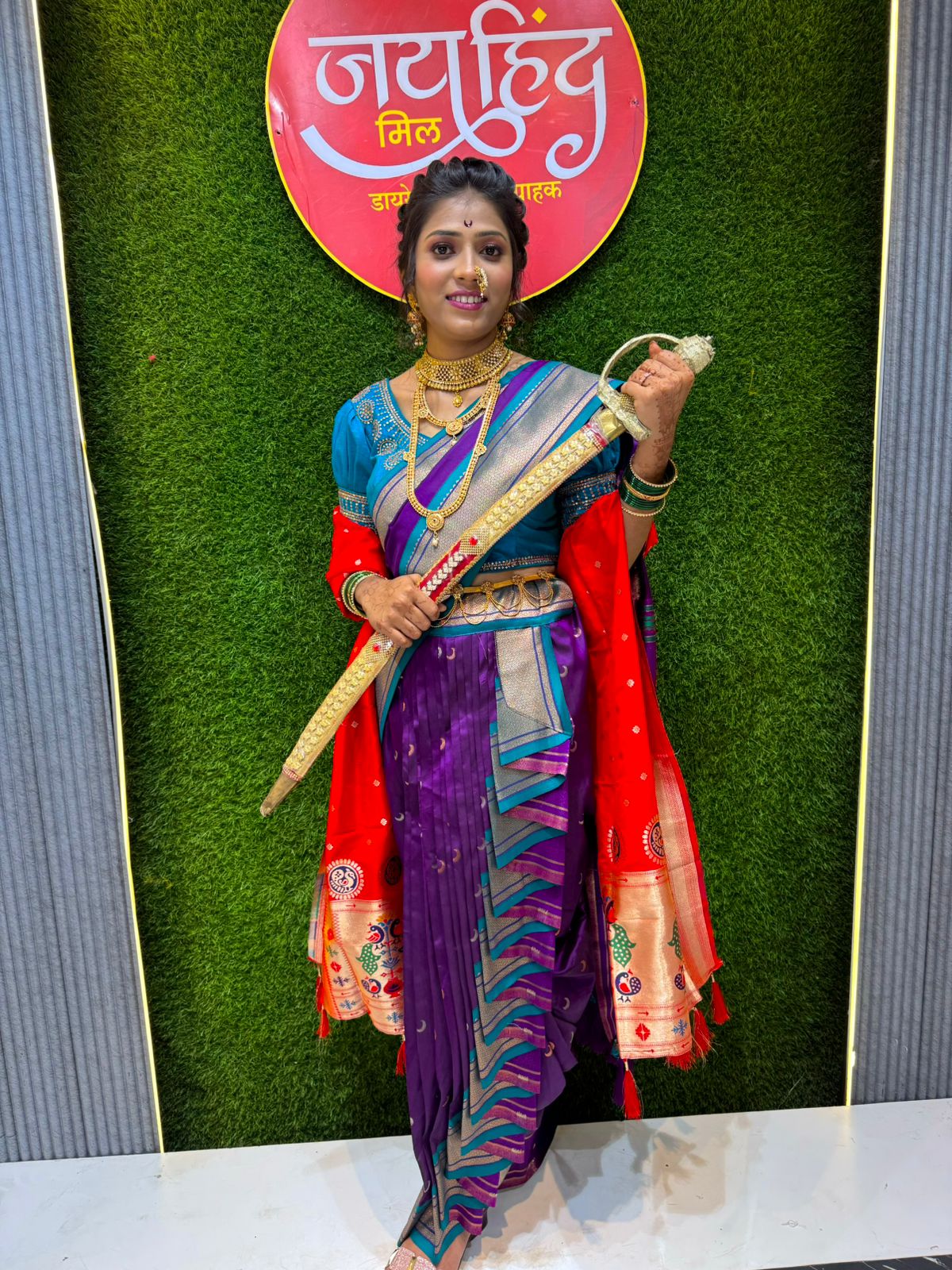
Step into the world of elegance and tradition with Jaihind Mill’s exclusive saree collection. Whether you’re looking for a classic silk saree, a trendy designer drape, or a light and comfortable daily wear, we have something special for every occasion — and now, you can shop it all online! Our saree collection is carefully curated …
Beautiful Saree Collection Now Available Online – Shop at Jaihind MillRead More