
Categories
 Sarees
 Women’s Wear
 Men's Wear
TOP RATED PRODUCTS
-
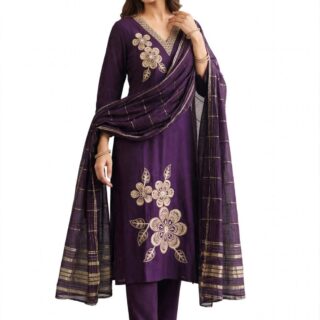 3 pic set #jh110
Original price was: ₹800.00.₹600.00Current price is: ₹600.00.
-
 New launch saree #jh109
Original price was: ₹8,500.00.₹4,200.00Current price is: ₹4,200.00.
-
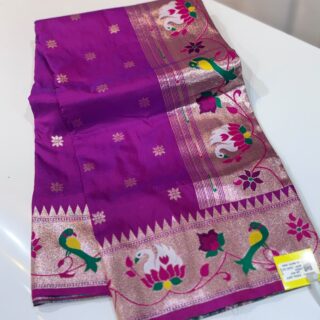 Rajhuns paithani #jh106
Original price was: ₹1,499.00.₹850.00Current price is: ₹850.00.
-
 lehriya anarkali pattern #jh111
Original price was: ₹2,600.00.₹1,400.00Current price is: ₹1,400.00.
-
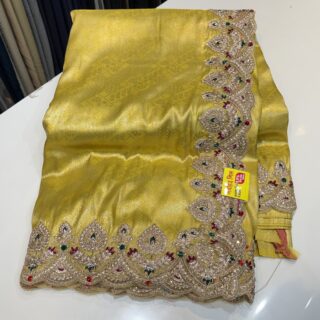 New designer saree #jh110
Original price was: ₹3,700.00.₹2,500.00Current price is: ₹2,500.00.
GALLERY










CLIENT'S TESTOMONIAL

Preeti
Amazing collection and great pricing! The designs are unique, and delivery was super fast.

Rohini
Absolutely love the quality of Jai Hind Mills sarees! The fabric is so soft and elegant. Will shop again!
Problem gambling affects millions of people worldwide, often leading to devastating financial, emotional, and social consequences. For those struggling to control their gambling habits, gambling sites not on GamStop offer a powerful tool to break the cycle of addiction and begin the journey toward recovery. These voluntary programs allow individuals to exclude themselves from casinos, online gambling platforms, and other gambling locations, creating a protective barrier that helps them take back control over their lives and rebuild their futures.
What Are Self-Exclusion Registers and How They Function
These voluntary initiatives enable individuals to formally request exclusion from casinos and gambling sites for a defined timeframe. By enrolling, problem gamblers establish a formal restriction that stops them from using casinos, gaming establishments, and online gambling sites, assisting in breaking harmful habits.
The registration process typically involves providing personal details to regulatory authorities or casino operators. Once registered, the person’s information are shared across member establishments, ensuring comprehensive coverage and making it significantly harder to engage in impulsive gambling.
- Complete an application form with personal ID
- Select restriction timeframe from several months through permanent
- Receive confirmation of enrollment and coverage
- Utilize assistance materials and professional support
- Incur consequences if trying to violate exclusion
- Submit a removal only after waiting periods
The success of these programs depends on rigorous oversight by gambling operators and authentic dedication from participants. When correctly applied, they offer vital pause for individuals to obtain professional support, tackle root causes, and develop healthier coping mechanisms.
The Psychology Behind Self-Limiting Programs as a Healing Mechanism
The impact of self-exclusion initiatives lies in their ability to create external barriers when personal resolve falters. Problem gamblers often experience intense urges that supersede logical thinking, making it nearly impossible to resist temptation in the moment. By creating such safeguards during moments of lucidity, individuals effectively shield their future selves from impulsive decisions that could derail their recovery efforts and lead to additional financial and emotional damage.
Research indicates that establishing physical and digital distance from gambling opportunities substantially lowers relapse rates among people recovering from gambling addiction. The psychological principle of “pre-commitment” serves an essential function here, allowing individuals to make binding decisions about their behavior before coming into contact with temptation. This approach eliminates the strain of constant decision-making and lessens the psychological burden associated with resisting temptation, freeing mental resources for healing and self-improvement.
Beyond serving as a safeguard, exclusion programs also function as a powerful symbolic gesture of dedication to transformation. The act of official registration represents a deliberate recognition of the problem and a decisive step toward recovery. This formal statement, even if only to the registration authority, can reinforce determination and create accountability that supports positive behavioral changes throughout the path to recovery.
Types of Self-Exclusion Programs Available
Problem gamblers currently have access to multiple self-exclusion options created to meet diverse requirements and circumstances. Understanding such options helps individuals choose the most effective approach.
Venue-Based Self-Exclusion
Location-specific initiatives allow individuals to ban themselves from specific gambling establishments such as casinos, gaming lounges, or gambling centers. This targeted approach proves effective for those who frequent particular locations and need physical barriers to prevent access to gaming activities.
Upon sign-up, the venue maintains a database with the individual’s details and photograph. Staff members receive training to identify and refuse entry to self-excluded persons. Violations may lead to trespassing charges and loss of any winnings obtained during the exclusion period.
Online Gaming Self-Exclusion
Digital exclusion programs facilitate problem gamblers to restrict access to online betting websites, poker rooms, and casino platforms. Many operators offer self-exclusion tools via account settings, enabling users to suspend their accounts for predetermined periods ranging from months to years.
Advanced digital solutions utilize software that blocks gambling websites across all devices and browsers. These technological solutions provide comprehensive protection by preventing access should the person tries to create new accounts or access alternative sites when facing temptation.
Multi-Operator and National Registers
Extensive self-exclusion systems coordinate among various casino providers throughout entire regions and countries. These central databases ensure that individuals cannot simply move to different venues or platforms to continue gambling after excluding themselves from one location.
National programs offer the most comprehensive safeguards by establishing centralized self-exclusion databases shared among all authorized gaming operators. Participants gain access to widespread coverage that includes physical casino locations, digital gaming platforms, and sportsbook venues, delivering a robust safety net throughout their path to recovery.
Efficacy and Outcomes of Self-Exclusion Schemes
Research shows that self-exclusion programs produce meaningful success in helping problem gamblers reduce or eliminate their gambling behavior, with studies showing that 60-80% of participants report lower levels of gambling. These programs work best when integrated with professional guidance, community support, and complete treatment approaches that tackle the core psychological drivers driving addictive gambling habits.
| Program Type | Success Rate | Compliance Rate | Relapse Prevention |
| Multiple-location exclusion | 72-78% | 85% | High effectiveness |
| Online gambling exclusion | 65-70% | 78% | Moderate effectiveness |
| Individual-location restriction | 45-55% | 68% | Lower effectiveness |
| Paired with therapy | 82-88% | 92% | Very high effectiveness |
The most impactful self-exclusion strategies incorporate multiple layers of protection, including data sharing between gaming operators, facial recognition systems, and enforced cooling-off periods. People who actively take part with assistance services during their exclusion duration show substantially higher recovery outcomes than those who depend solely on the exclusion mechanism without additional therapeutic intervention.
Extended studies indicate that people completing multi-year self-exclusion programs experience lasting behavioral changes, with approximately 70% sustaining reduced gambling patterns even after their exclusion period ends. Success factors comprise strong social support networks, consistent involvement in therapy appointments, development of substitute leisure pursuits, and ongoing monitoring to prevent relapse during vulnerable periods.
Guide to Join a Self-Exclusion Register
Signing up for a self-exclusion program is a simple procedure intended to be user-friendly for anyone needing support with gambling problems. Most jurisdictions offer multiple enrollment options to accommodate different preferences and circumstances.
- Check the official regulatory website for your region
- Fill out the required personal identification forms
- Select your desired self-exclusion period and scope
- Submit contact information for confirmation
- Examine and sign the legal acknowledgment documents
- Receive confirmation of your enrollment status
After submitting your enrollment, the program generally becomes active within 24 to 48 hours, during which gaming providers receive notification and modify their databases to prevent your access to their facilities and platforms.
Common Questions
Can I take myself from a self-exclusion register before the period expires?
In many regions, self-exclusion periods are legally binding and cannot be revoked early. This is intentional—the waiting period protects individuals from impulsive decisions during moments of weakness. Some programs may allow appeals once a minimum timeframe has passed, typically requiring counseling sessions or assessments before consideration. However, the main goal is to create a firm boundary that gives individuals with gambling issues time to address underlying issues without the urge to return too soon.
What occurs when I attempt to play while self-excluded?
Gaming establishments are legally required to stop self-excluded individuals from using their services. If you attempt to gamble during your exclusion period, staff should recognize you through their systems and deny entry or close your account. Any funds won during your exclusion may be confiscated, and the venue could face regulatory penalties. If you successfully bypass controls, this suggests a system failure that should be flagged. Trying to get around your self-exclusion by using different venues or identities undermines your recovery and may be considered fraudulent activity in some legal territories.

ABOUT US

Jai Hind Mills – A trusted name in premium textiles, blending tradition with innovation to deliver superior quality fabrics.
FEATURED PRODUCTS


AD WIDGET

FROM THE BLOG

Step into the world of elegance and tradition with Jaihind Mill’s exclusive saree collection. Whether you’re looking for a classic silk saree, a trendy designer drape, or a light and comfortable daily wear, we have something special for every occasion — and now, you can shop it all online! Our saree collection is carefully curated …
Beautiful Saree Collection Now Available Online – Shop at Jaihind MillRead More
Leave a Reply