
Categories
 Sarees
 Women’s Wear
 Men's Wear
TOP RATED PRODUCTS
-
 Rani Heer #jh112
Original price was: ₹1,300.00.₹475.00Current price is: ₹475.00.
-
 shrug for ladies #111
Original price was: ₹950.00.₹450.00Current price is: ₹450.00.
-
 3 pic set #jh110
Original price was: ₹800.00.₹600.00Current price is: ₹600.00.
-
 New launch saree #jh109
Original price was: ₹8,500.00.₹4,200.00Current price is: ₹4,200.00.
-
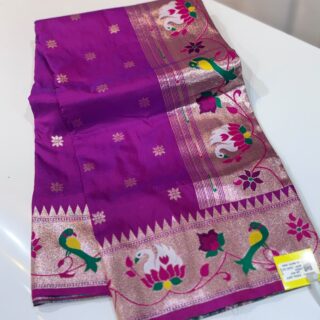 Rajhuns paithani #jh106
Original price was: ₹1,499.00.₹850.00Current price is: ₹850.00.
GALLERY










CLIENT'S TESTOMONIAL

Preeti
Amazing collection and great pricing! The designs are unique, and delivery was super fast.

Rohini
Absolutely love the quality of Jai Hind Mills sarees! The fabric is so soft and elegant. Will shop again!
The contemporary gambling sector functions under a intricate financial framework where non GamStop sites determine business strategies, market entry choices, and financial performance. Regulatory authorities globally impose different tax structures on gaming companies, spanning gaming revenue taxes to licensing fees, establishing diverse regulatory environments that significantly influence how operators organize their business activities and compete in various markets.
The Structure and Purpose of Gaming Sector Levies
Government fiscal policies in the betting sector typically consist of diverse funding channels including licensing charges, gross gaming revenue percentages, and regulatory compliance charges. These financial tools fulfill two key functions: creating significant government income while simultaneously controlling sector participation and ensuring responsible gambling practices across jurisdictions.
The duty rates levied against gambling operations vary dramatically between countries, with some jurisdictions levying five percent while others apply rates exceeding fifty percent on gross gaming yields. This variation demonstrates different state objectives, from boosting government earnings to fostering competitive environments that draw global gaming companies and create employment opportunities.
Beyond direct taxation, operators encounter additional financial obligations including contributions to problem gambling funds, sports integrity programs, and regulatory oversight bodies. These layered financial requirements create intricate financial frameworks that operators must navigate carefully, influencing decisions about market entry, product offerings, and long-term investment strategies within specific territories.
Various Types of Levies Influencing Gaming Establishments
Gaming companies face multiple taxation structures that change substantially across jurisdictions, each designed to generate public revenue while overseeing sector conduct. These revenue structures extend from direct percentage charges on revenue to intricate layered frameworks that account for operator size, game type, and player location, fundamentally shaping how businesses manage capital and develop growth plans.
Grasping the various types of taxation helps gaming companies handle compliance requirements and enhance their fiscal results across different jurisdictions. Each tax category presents distinct obstacles and advantages, influencing everything from cost structures to system upgrades, while authorities continuously adjust these mechanisms to reconcile revenue generation with sustaining competitive, sustainable gambling markets.
Direct Revenue-Tax Structures
The most typical approach involves taxing a percentage of gross gaming revenue (GGR), calculated as total wagers minus payouts awarded to participants. Rates generally span 15% to 50% depending on jurisdiction and gambling vertical, with online casino games frequently taxed differently from sports betting. This approach delivers stable revenue flows for governments while directly connecting tax liabilities to operator results and market dynamics.
Some jurisdictions use progressive tax structures where rates increase as revenue thresholds are exceeded, promoting competitive markets while ensuring bigger gaming companies contribute proportionally more. Alternative models tax net gaming revenue after deducting operational expenses, though these are uncommon due to verification challenges and risk of manipulation through sophisticated accounting methods.
License Fees and Regulatory Charges
Operators must remit substantial upfront and recurring license fees to enter the market, with costs varying dramatically based on market size and jurisdiction reputation. Initial licensing fees can extend from tens of thousands to millions of dollars, while annual renewal charges ensure continued regulatory funding. These set expenses create significant barriers to entry, particularly affecting smaller operators and startups seeking to build operations in competitive markets.
Beyond fundamental regulatory approval, regulators require additional charges for specific activities such as adding new game types, entering new markets, or modifying operational parameters. Compliance audits, technical testing fees, and responsible gambling levy contributions additionally raise the total regulatory cost burden, necessitating operators to keep specialized compliance staff and advanced financial management infrastructure.
Consumption-Point Taxes
This growing trend in model taxes gambling activity based on player location rather than where the operator is based, resolving worries about international operators evading local taxes. Countries like the UK, Australia, and various European states have adopted this approach, requiring operators serving their residents to pay taxes regardless of where the company is licensed or incorporated, substantially altering international gambling taxation.
Implementation requires advanced location-tracking systems and rigorous tracking of user behavior across jurisdictions, creating technical complexity and operational costs. The model guarantees authorities obtain income from all gaming transactions involving their citizens while generating regulatory obstacles for operators managing customers across multiple revenue jurisdictions with different rates, reporting requirements, and settlement timelines.
Economic Impact of Levies on Gaming Operations
Government fiscal policies directly influence profit margins and business viability for wagering platforms across all market segments. Increased taxation levels often force companies to reduce marketing expenditures, restrict bonus programs, and raise customer costs through adjusted odds or lower returns. Smaller betting companies face disproportionate challenges compared to large operators, as they lack the financial reserves and cost efficiencies needed to handle significant tax liabilities while preserving competitive offerings.
Investment choices in digital infrastructure, responsible gambling initiatives, and business growth depend heavily on after-tax profit forecasts. Regions implementing excessive fiscal burdens frequently witness reduced innovation as companies prioritize expense management over service improvement. This creates market disadvantages against international competitors in lower-tax environments, potentially driving customers toward unregulated platforms that provide superior value despite lacking player safeguards mandated in licensed markets.
Employment levels within the gambling sector correlate strongly with taxation policies, as workforce expansion requires sustainable revenue streams after meeting government obligations. Companies operating under moderate tax regimes typically invest more in staff training, customer service quality, and compliance infrastructure. Conversely, markets with harsh tax environments experience increased expenses per employee, leading to workforce reductions, automation acceleration, and outsourcing to lower-cost jurisdictions, ultimately affecting communities dependent on gambling industry employment.
How Gaming Sector Taxes Shape Market Dynamics
Tax structures substantially modify competitive landscape in the betting industry, as operators refine their pricing tactics, promotional offerings, and investment focus to sustain earnings under different tax loads across diverse regulatory environments.
- Operators relocate headquarters to areas with reduced taxation
- Companies modify payout structures and odds to counterbalance taxation expenses
- Market concentration intensifies in high-tax areas
- Innovation funding declines under substantial tax burdens
- International gaming activities expand to reduce tax liabilities
- Smaller operators withdraw from regions with prohibitive rates
High taxation rates frequently influence conduct shifts among betting companies, including decreased advertising budgets, focused product ranges, and collaborative ventures designed to distribute regulatory expenses and maintain market presence despite tighter profit margins.
The economic conditions significantly affects user engagement as service providers pass costs through revised odds configurations, altered reward structures, and modified service features, fundamentally changing how players interact with betting platforms and impacting general market activity.
Comparative Analysis of Global Tax Systems
Multiple countries implement vastly different taxation approaches to regulate and generate revenue from gaming businesses, establishing a complicated worldwide environment where companies have to address varying fiscal obligations that substantially influence their market strategies and profitability margins across international borders.
| Jurisdiction | Tax Rate | Tax Base | Additional Fees |
| United Kingdom | 21% | Gross Gaming Revenue | License fees up to £300,000 |
| Malta | 5% | Gaming Revenue Net | Yearly compliance charges €25,000 |
| New Jersey (USA) | 14.25% | Gross Gaming Revenue | License application $200,000 |
| Australia | 8-15% | Gaming Revenue Net | State-specific licensing costs |
| Sweden | 18% | Gross Gaming Revenue | Annual license fee SEK 400,000 |
This comparative framework demonstrates significant differences in how governments reconcile revenue generation with competitive positioning, as lower-tax jurisdictions like Malta attract international operators while higher-tax markets demand improved operational performance and strategic planning from gaming operators.

ABOUT US

Jai Hind Mills – A trusted name in premium textiles, blending tradition with innovation to deliver superior quality fabrics.
FEATURED PRODUCTS

AD WIDGET

FROM THE BLOG

Step into the world of elegance and tradition with Jaihind Mill’s exclusive saree collection. Whether you’re looking for a classic silk saree, a trendy designer drape, or a light and comfortable daily wear, we have something special for every occasion — and now, you can shop it all online! Our saree collection is carefully curated …
Beautiful Saree Collection Now Available Online – Shop at Jaihind MillRead More
Leave a Reply