
Categories
 Sarees
 Women’s Wear
 Men's Wear
TOP RATED PRODUCTS
-
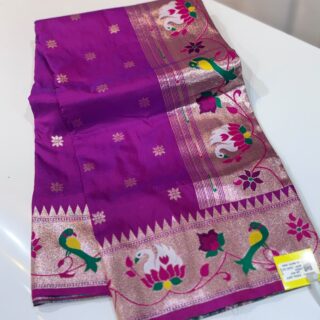 Rajhuns paithani #jh106
Original price was: ₹1,499.00.₹850.00Current price is: ₹850.00.
-
 lehriya anarkali pattern #jh111
Original price was: ₹2,600.00.₹1,400.00Current price is: ₹1,400.00.
-
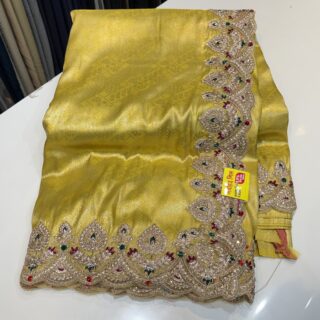 New designer saree #jh110
Original price was: ₹3,700.00.₹2,500.00Current price is: ₹2,500.00.
-
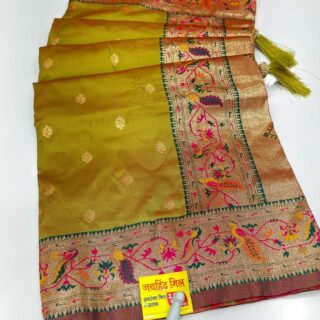 Lotas border saree #jh109
Original price was: ₹1,950.00.₹1,000.00Current price is: ₹1,000.00.
-
 3 pis #jh108
Original price was: ₹1,500.00.₹950.00Current price is: ₹950.00.
GALLERY
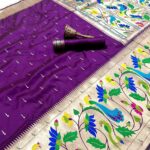
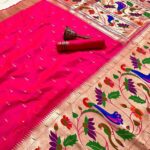
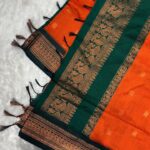
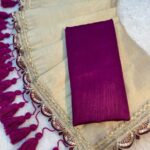
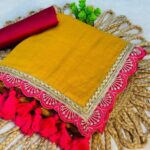


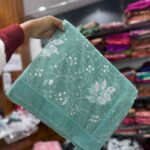
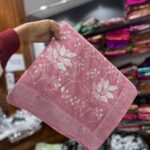
CLIENT'S TESTOMONIAL

Preeti
Amazing collection and great pricing! The designs are unique, and delivery was super fast.

Rohini
Absolutely love the quality of Jai Hind Mills sarees! The fabric is so soft and elegant. Will shop again!
When choosing a licensing jurisdiction for an digital gaming platform, operators often compare online casinos not on GamStop as two budget-friendly options to premium European regulators, each providing unique benefits in terms of regulatory requirements, operational flexibility, and market access.
Learning about Anjouan and Kahnawake Gaming Authorities
The Anjouan jurisdiction, officially known as the Autonomous Island of Anjouan in the Union of Comoros, emerged as an offshore licensing jurisdiction in the late 1990s, providing online gaming operators a streamlined regulatory framework with minimal compliance burdens. Located along the eastern shores of Africa, this jurisdiction drew operators looking for rapid market access and reduced operational costs, though its reputation has fluctuated over the years due to inconsistent enforcement practices and international recognition challenges.
Kahnawake, a Mohawk territory situated near Montreal, Canada, established its Gaming Commission in 1996, making it one of the first jurisdictions to regulate online casino operations. The Kahnawake Gaming Commission has built a stronger reputation through ongoing regulatory management, detailed technical requirements, and a formal process for resolving disputes that delivers increased credibility in the eyes of payment service providers, software providers, and players alike.
Both jurisdictions establish themselves as accessible alternatives for operators who consider European licensing requirements too stringent or expensive, yet they vary considerably in their regulatory maturity, global recognition, and sustained viability. Understanding these key distinctions helps operators make informed decisions about which jurisdiction fits more closely with their business model, target markets, and growth strategies in the dynamic gaming industry.
License Requirements and Approval Procedure
Grasping the licensing process for offshore gaming licenses demands thorough analysis of regulatory standards, processing timelines, and jurisdictional requirements. Both jurisdictions deliver streamlined methods compared to European authorities, yet maintain distinct procedural standards that gaming companies must follow. The decision regarding these two license providers hinges on business objectives, primary markets, and compliance infrastructure.
Application procedures vary significantly in complexity, duration, and cost structures between these two jurisdictions. While both seek to offer straightforward approval routes for gaming platform operators, their documentation requirements, background checks, and ongoing compliance obligations differ substantially. Operators should evaluate these procedural differences alongside their operational priorities and resource availability before beginning their licensing application.
Anjouan Licence Registration Process
The Anjouan licensing procedure is notably uncomplicated, typically requiring basic documentation and offering rapid approval timelines. Applicants submit fundamental company details, director details, and business plans through designated licensing agents. The jurisdiction emphasizes user-friendliness, with processing times often accomplished in two to four weeks from initial submission to licence issuance.
Financial standards stay modest relative to other jurisdictions, with application fees beginning at $3,000 annually. Background checks emphasize corporate structure rather than extensive individual vetting. This efficient process attracts operators seeking quick market entry, though it results in diminished licensing credibility compared to more established licensing authorities in the industry.
Kahnawake Gaming Licence Application Procedure
Kahnawake Gaming Commission enforces stricter application standards, requiring extensive documentation including detailed business plans, financial statements, and infrastructure requirements. The process involves detailed investigations of key ownership figures, directors, and senior staff. Application review typically spans several months, reflecting the jurisdiction’s commitment to regulatory thoroughness.
Initial licensing fees range from $20,000 to $30,000, with additional costs for software audits and compliance assessments. Applicants must show fiscal strength, technical capability, and responsible gaming practices. The commission conducts in-person inspections and software testing before license approval, establishing elevated entry barriers that strengthen the jurisdiction’s reputation within the gaming industry.
Documentation and Compliance Standards
Documentation specifications vary considerably between these jurisdictions, influencing preparation timelines and business preparedness. Anjouan calls for fundamental business registration, management verification, and basic business outlines. Kahnawake requires detailed materials including certified financial documentation, software certifications, responsible gaming frameworks, AML compliance protocols, and detailed operational manuals covering all gaming functions.
Ongoing compliance obligations also differ significantly, with Kahnawake implementing regular reporting requirements, periodic audits, and ongoing oversight of licensee operations. Anjouan provides minimal supervision with yearly license renewals and minimal reporting mandates. Operators must evaluate their compliance infrastructure capabilities and identify which regulatory framework matches their corporate governance standards and strategic positioning in the online gaming industry.
Fee Breakdown and Pricing Models
When evaluating licensing expenses, Anjouan presents one of the most budget-friendly options in the industry, with initial application fees typically falling between $15,000 to $25,000 annually. The jurisdiction maintains minimal recurring regulatory expenses and rarely imposes additional regulatory charges, making it especially appealing for new gaming operators with limited capital. In contrast, Kahnawake requires an initial fee of approximately $25,000 CAD, with annual renewal costs around $15,000 CAD, plus volume-dependent charges that can increase depending on business scale.
The fee structures between these jurisdictions differ significantly in their approach to continuous requirements. Kahnawake implements a more structured regulatory framework with periodic audits and compliance reviews that may incur additional expenses, while Anjouan maintains a relatively hands-off approach after the initial licensing phase. Both jurisdictions offer considerably lower costs compared to Malta, Gibraltar, or UK licenses, which can exceed $100,000 annually when factoring in all compliance requirements and operational obligations.
- Initial licensing cost analysis and submission fees
- Yearly renewal expenses and payment schedules
- Transaction-based fees and revenue percentages
- Regulatory audit costs and compliance inspections
- Software testing and certification requirements
- Extra operational and processing charges
Beyond the base licensing fees, operators must account for hidden costs such as legal advice, payment gateway configuration, and ongoing compliance management. Kahnawake typically demands detailed record-keeping and routine filings, which leads to higher administrative overhead. Anjouan’s efficient system lowers administrative costs but could restrict credibility with certain payment providers and banks, potentially offsetting the initial savings through elevated operational expenses or restricted financial services access.
Primary Differences Between Anjouan and Kahnawake Licences
Grasping the key differences between these two jurisdictions is vital for operators pursuing the right regulatory framework for their online gaming business. While both provide straightforward pathways into the industry, they vary considerably in their approach to compliance, reputation, and regional emphasis.
The governance frameworks of these jurisdictions reflect their unique positions in the global gaming market. Kahnawake functions as a sovereign First Nations territory with set procedures, whereas Anjouan operates as an offshore location with more lenient regulatory controls.
| Aspect | Anjouan | Kahnawake | Impact on Operators |
|---|---|---|---|
| Initial Licensing Cost | $2,000-$5,000 | $20,000-$30,000 | Anjouan provides substantially lower entry barriers for new operators |
| Regulatory Oversight | Minimal enforcement | Structured compliance monitoring | Kahnawake delivers stronger regulatory framework |
| Market Reputation | Restricted industry recognition | Established industry presence | Kahnawake commands greater player trust and confidence |
| Payment Processing | Difficult banking relationships | Better banking partnerships | Kahnawake enables streamlined payment operations |
| Renewal Requirements | Limited paperwork requirements | Ongoing compliance reviews | Kahnawake demands ongoing operational transparency |
Payment processors and software providers often exhibit greater willingness to work with Kahnawake-licensed operators due to the jurisdiction’s well-known standing and regulatory standards. This translates into easier payment connections and entry to exclusive gaming content for operators.
The decision between these jurisdictions ultimately is determined by an operator’s business model, intended audience, and sustained expansion plans. Budget-conscious startups may first prefer reduced expenses, while experienced gaming providers prioritize credibility and sustainable partnerships.
Picking the Correct Gaming Licence for Your Business
Selecting the correct gaming licence demands detailed review of your company approach, intended jurisdictions, and future business goals. Consider elements like initial capital requirements, ongoing compliance costs, tax responsibilities, and the standing of the regulator among players and payment processors. Operators targeting specific geographic regions should emphasize markets delivering valid market entry and official approval in those areas, while those aiming for international presence may take advantage of less restrictive licensing options that accommodate diverse payment methods and operational models.
The decision between different licensing jurisdictions ultimately depends on balancing cost efficiency with compliance reputation. Budget-conscious startups may prioritize lower licensing fees and minimal capital requirements, while experienced gaming companies often choose jurisdictions that enhance brand reputation and strengthen financial relationships. Evaluate the operational systems requirements, information security standards, and reporting obligations of each jurisdiction to ensure alignment with your operational capabilities. Additionally, review consistency and reliability of the regulatory environment, as frequent policy changes can impact day-to-day activities and raise operational expenses.
Successful online casino operators often adopt a multi-jurisdictional licensing strategy, combining different licences to optimize market coverage and operational efficiency. This approach allows businesses to leverage the specific advantages of each jurisdiction while mitigating regulatory risks and expanding their global footprint. Consulting with legal experts specializing in gaming law and conducting thorough due diligence on licensing authorities can prevent costly mistakes and ensure compliance with evolving international standards. Regardless of which jurisdiction you choose, maintaining transparent operations, implementing robust responsible gaming measures, and prioritizing player protection will remain essential for long-term success in the competitive online gaming industry.

ABOUT US
Jai Hind Mills – A trusted name in premium textiles, blending tradition with innovation to deliver superior quality fabrics.
FEATURED PRODUCTS


AD WIDGET

FROM THE BLOG

Step into the world of elegance and tradition with Jaihind Mill’s exclusive saree collection. Whether you’re looking for a classic silk saree, a trendy designer drape, or a light and comfortable daily wear, we have something special for every occasion — and now, you can shop it all online! Our saree collection is carefully curated …
Beautiful Saree Collection Now Available Online – Shop at Jaihind MillRead More
Leave a Reply