
Categories
 Sarees
 Women’s Wear
 Men's Wear
TOP RATED PRODUCTS
-
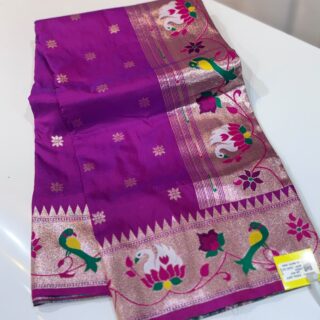 Rajhuns paithani #jh106
Original price was: ₹1,499.00.₹850.00Current price is: ₹850.00.
-
 lehriya anarkali pattern #jh111
Original price was: ₹2,600.00.₹1,400.00Current price is: ₹1,400.00.
-
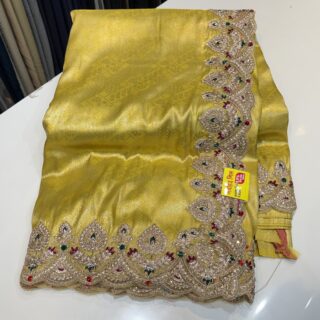 New designer saree #jh110
Original price was: ₹3,700.00.₹2,500.00Current price is: ₹2,500.00.
-
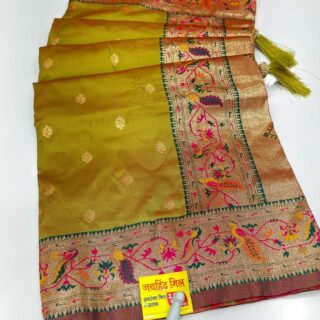 Lotas border saree #jh109
Original price was: ₹1,950.00.₹1,000.00Current price is: ₹1,000.00.
-
 3 pis #jh108
Original price was: ₹1,500.00.₹950.00Current price is: ₹950.00.
GALLERY










CLIENT'S TESTOMONIAL

Preeti
Amazing collection and great pricing! The designs are unique, and delivery was super fast.

Rohini
Absolutely love the quality of Jai Hind Mills sarees! The fabric is so soft and elegant. Will shop again!
Success in casinos without GamStop relies on the ability to identify value bets—instances in which the odds offered exceed the true probability of an outcome occurring. Mastering this skill requires a blend of analytical techniques, market understanding, and disciplined research. By carefully assessing form, track conditions, and pricing inefficiencies, bettors can secure a notable edge over the bookmaker and fellow punters in competitive racing markets.
Recognizing Value in Horse Racing Wagering Opportunities
Value betting constitutes the cornerstone of successful betting strategies, occurring when bookmakers miscalculate a horse’s actual winning chances. A value bet exists when the odds available are higher than the true probability suggests, creating a positive expected return over time. Recognizing these opportunities demands a solid grasp of mathematical probability and the ability to calculate implied odds versus genuine winning chances precisely.
The wagering landscape functions within a dynamic ecosystem where odds fluctuate based on crowd action, insider information, and bookmaker adjustments. Sharp bettors exploit inefficiencies generated through casual punters who bet emotionally on chalk selections or miss opportunities with legitimate chances to win. Knowing how prices are calculated and identifying systematic biases allows precise detection of mispriced selections before the odds adjust itself.
Effective opportunity identification demands maintaining detailed records of selections, outcomes, and odds movements to verify your assessment methods. Comparing your probability estimates against closing odds provides crucial feedback on whether your analysis accurately reflects market reality. This disciplined approach transforms betting from random gambling into a calculated profit-seeking process where long-term profitability stems from consistently finding and exploiting pricing discrepancies.
Reviewing Form and Performance Statistics
In-depth analysis of form and performance data represents the cornerstone of successful value identification in racing markets. Bettors must examine multiple data points including recent race results, speed figures, class levels, and performance consistency to build an thorough understanding of each runner’s capabilities and current condition.
Comprehensive form analysis demands going beyond simple win-loss records to grasp the context of previous performances. Factors such as pace scenarios, trip difficulties, weight carried, and margins of victory deliver crucial insights that separate genuine contenders from horses whose recent results may be deceptive or inconsistent over time.
Understanding Prior Results Information
Past performance records contain a substantial amount of information when interpreted correctly, exposing patterns in a horse’s racing career that reflect current fitness and forthcoming ability. Analyze race positions across varying track lengths, ground conditions, and race classes to identify where each runner exhibits real talent versus conditions that enhanced their results.
Pace ratings and split times offer objective measurements that enable head-to-head evaluation between horses that have participated in varying competitions. These metrics help pinpoint horses that moved quicker than their final placement suggests, often indicating they faced obstacles in running or dealt with challenging pace conditions that obscured their actual ability.
Analyzing Track Conditions and Track Suitability
Track conditions substantially affect race outcomes, with certain horses running considerably stronger or worse depending on track firmness, track configuration, and weather effects. Review past results on comparable ground and conditions to identify horses whose odds underestimate their demonstrated capacity to handle unique track conditions.
Course suitability extends beyond surface preferences to include track shape, gradient changes, and turning radius that favor particular running styles. Horses with proven success at today’s particular track often offer strong value when the market underestimates the importance of track-specific expertise, particularly at tracks with unique characteristics that reward familiarity.
Evaluating Jockey and Trainer Performance Data
Jockey and trainer statistics provide crucial insight for determining a horse’s odds, as these collaborations significantly influence race outcomes through tactical decisions and training standards. Course strike rates, course-specific records, and recent performance trends for these connections often reveal patterns that the bookmakers overlooks or misprices.
Certain trainer-jockey combinations display outstanding coordination, producing results that outperform forecasts based on horse quality alone. Monitoring these partnerships, notably when they reunite after successful past partnerships or when elite jockeys ride for lesser-known operations, can identify profitable prospects where the betting public misses to properly account for the human elements.
Computing True Probability Against Market Odds
The core principle of value betting lies in precisely calculating a horse’s true winning probability and measuring it against the implied probability indicated by the bookmaker’s odds to spot differences that favor the bettor.
- Transform decimal odds to implied probability using the formula: 1 ÷ odds × 100
- Develop probability models using historical performance data and present form metrics
- Account for track bias, weather conditions, and distance suitability in calculations
- Evaluate your probability estimate against several bookmakers for optimal value
- Include overround margins that bookmakers build into their pricing models
- Keep detailed records to refine probability assessment methods over time
When your calculated probability surpasses the implied probability from the market by a meaningful margin, generally 5% or higher, you’ve identified a value opportunity worth serious consideration for betting decisions.
Optimizing Your Betting Timing for Value
The time you make your bet can substantially affect the payout you obtain, as odds shift continuously based on market movements and wagering activity. Early prices often reflect bookmaker assessments before the public money arrives, creating openings for sharp bettors who have conducted their evaluation overnight. However, waiting closer to post time can expose key late-breaking news such as surface conditions, jockey switches, or stable confidence indicators that might warrant adjusted odds.
Monitoring bookmaker platforms and comparing multiple bookmakers allows you to identify the optimal window for placing your stake when the odds reach their highest point. Significant market shifts often occur in the last half hour before a race as informed money enters the market, causing odds to tighten on favorites and lengthen on undervalued selections. Understanding these patterns helps you determine whether to secure early prices or wait for emerging betting advantages as the market matures and inefficiencies emerge.
Creating a structured method to bet timing involves monitoring historical odds movements for particular race categories, tracks, and circumstances to identify consistent trends in market behavior. Some races see minimal price fluctuation, making early action advisable, while others experience dramatic swings that benefit patience and careful observation. Recording your entry points and measuring them to starting prices across multiple races offers useful insights on whether your timing strategy is capturing maximum value or leaving money on the table through premature or delayed placement.
Sophisticated Instruments and Materials for Value Identification
Modern bettors have can utilize advanced analytical tools that transform raw racing data into practical intelligence. These resources include comprehensive databases tracking historical performance to live odds comparison platforms that highlight market discrepancies. Leveraging technology effectively allows dedicated bettors to process vast amounts of information quickly, spotting trends and opportunities that manual analysis might miss in the modern high-speed betting environment.
Investment in quality tools generates returns through better analytical choices and time savings. Advanced analytical platforms can concurrently evaluate multiple factors including classification levels, rider performance data, and surface patterns while processing vast race databases to surface genuine value propositions. The foundation for selecting resources that align with your betting plan and understanding how to analyze their data within the broader context of racing environment and odds fluctuations.
Pace Rating Systems and Speed Analysis
Pace ratings provide objective measurements of equine performance by accounting for raw times for track conditions, race length, and surface variations. Top-tier platforms like Beyer ratings and Timeform assessments enable direct comparison across multiple venues and race days, uncovering horses whose abilities are often overlooked by casual observers. Sophisticated race flow tools go further by forecasting how races will unfold, identifying situations where front-runners face little pressure or late-running horses benefit from competitive opening moves.
Blending speed ratings with pace dynamics generates powerful predictive models for value identification. A horse with competitive speed figures competing in a race with favorable pace dynamics often offers real value if overlooked by the betting public. Sophisticated bettors use pace handicapping software to model race dynamics, identifying which running styles suit specific race conditions and uncovering opportunities where the market has mispriced horses based solely on recent results rather than detailed form analysis.
Market Movement and Exchange Betting Data
Analyzing line changes across bookmakers and exchange platforms reveals where informed money flows and market sentiment shifts. Significant price movements often suggest professional insight or professional betting activity, delivering valuable signals about selections whose odds may vary from crowd opinion. Exchange platforms deliver visibility through matched bet volumes and price depth, allowing astute bettors to measure market depth and identify when substantial backing or laying activity creates temporary value opportunities.
Historical exchange data enables trend identification that refines value-seeking strategies over time. Analyzing how odds movements align with race outcomes helps separate meaningful market signals from meaningless fluctuations or uninformed speculation. Tools that track steamer alerts, drift patterns, and closing action provide context for pre-race pricing dynamics, while post-race analysis of market accuracy helps refine personal probability estimates and enhance future value identification across varying track conditions and competitive fields.

ABOUT US

Jai Hind Mills – A trusted name in premium textiles, blending tradition with innovation to deliver superior quality fabrics.
FEATURED PRODUCTS


AD WIDGET

FROM THE BLOG

Step into the world of elegance and tradition with Jaihind Mill’s exclusive saree collection. Whether you’re looking for a classic silk saree, a trendy designer drape, or a light and comfortable daily wear, we have something special for every occasion — and now, you can shop it all online! Our saree collection is carefully curated …
Beautiful Saree Collection Now Available Online – Shop at Jaihind MillRead More
Leave a Reply