
Categories
 Sarees
 Women’s Wear
 Men's Wear
TOP RATED PRODUCTS
-
 3 pic set #jh110
Original price was: ₹800.00.₹600.00Current price is: ₹600.00.
-
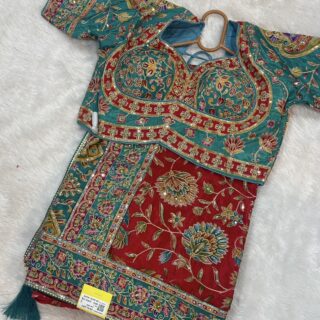 New launch saree #jh109
Original price was: ₹8,500.00.₹4,200.00Current price is: ₹4,200.00.
-
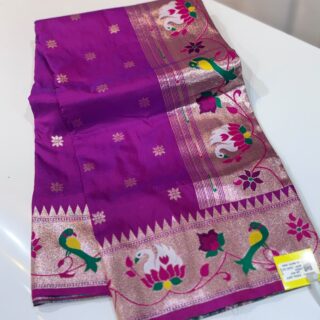 Rajhuns paithani #jh106
Original price was: ₹1,499.00.₹850.00Current price is: ₹850.00.
-
 lehriya anarkali pattern #jh111
Original price was: ₹2,600.00.₹1,400.00Current price is: ₹1,400.00.
-
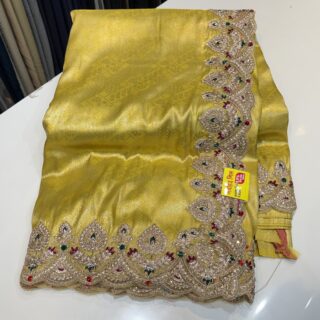 New designer saree #jh110
Original price was: ₹3,700.00.₹2,500.00Current price is: ₹2,500.00.
GALLERY










CLIENT'S TESTOMONIAL

Preeti
Amazing collection and great pricing! The designs are unique, and delivery was super fast.

Rohini
Absolutely love the quality of Jai Hind Mills sarees! The fabric is so soft and elegant. Will shop again!
Winning money from gambling can be an exciting experience, but it’s important to understand that your unexpected earnings may come with specific tax implications. In the UK, the rules related to betmicacasino-online.co.uk vary considerably from many other countries, and knowing your tax duties can help you avoid unexpected complications with HMRC while ensuring you retain your winnings in your pocket.
How Tax on Casino Winnings Functions in the UK
The UK operates under a unique system where recreational players do not incur taxation on their profits, regardless of the amount. This indicates that whether you win £100 or £1 million from gambling venues, digital gaming platforms, lottery games, or poker tournaments, you can retain the entire amount without disclosing it to HMRC. This advantageous setup has been established since 2001, when the government shifted the tax burden from gamblers to gambling operators themselves.
Gaming companies in the UK pay taxes on their total earnings through mechanisms like the RGD for digital operators and General Betting Duty for established betting firms. This structure ensures the government collects income from the gambling industry whilst allowing individual winners to enjoy their prizes without taxation. The arrangement applies to various types of regulated gambling, including sports betting, casino games, bingo, and the National Lottery.
However, there are significant exceptions to this standard rule that you must understand. Professional gamblers who generate their main earnings from gambling may be liable for income tax, and any returns generated on saved earnings becomes taxable. Additionally, if you get casino earnings as part of an legacy or donation, different tax rules may apply. Grasping these distinctions ensures you maintain adherence whilst maximising your legitimate tax-free benefits.
Types of Gaming and How They’re Taxed
The UK casino industry includes a broad range of pursuits, from traditional betting shops and casinos to modern online platforms and state lottery games. Each form of casino gaming functions under the identical beneficial tax framework that relieves players of tax obligations on their gains, irrespective of the amount won or the frequency of play.
Understanding how multiple gaming pursuits are treated for tax implications helps you organize your financial situation confidently. Whether you’re a casual player having sporadic gaming or someone who gambles more regularly, the uniform taxation approach across all gambling types provides clarity and reassurance when you enjoy a lucky period.
Casino and Online Gambling Winnings
Casino games, whether played in brick-and-mortar venues or on online platforms, are treated identically for tax purposes in the UK. This includes well-known options such as blackjack, roulette, poker, and slot machines. Players never need to declare these winnings to HMRC, and the total winnings stays completely in your possession to keep with no tax taken out.
Online gaming has expanded significantly in the past few years, with licensed UK operators offering thousands of games and casino options. The tax status remains the same whether you win £50 or £50,000 playing online slots, enjoying live dealer games, or taking part in poker tournaments hosted by regulated operators.
Lottery and Scratchcard Winnings
National Lottery jackpots, such as EuroMillions, Lotto, and Thunderball draws, are fully exempt from taxes irrespective of the prize amount. This holds true to modest prizes of a few pounds and life-changing jackpots worth millions. The same approach extends to instant win games, scratchcards, and remaining lottery products sold by licensed operators.
When you claim a lottery prize, you obtain the full advertised amount without any tax withholding. However, it’s worth considering that whilst the prize itself remains tax-free, any investment returns or interest earnings generated from your winnings will be subject to standard tax regulations, just like any additional investment or savings income you might earn.
When You Might Need Report Gambling Income
While casual gaming winnings are generally exempt from tax in the UK, there are particular situations where you might be required to report your gaming earnings to HMRC, particularly if your involvement extends into professional territory.
- You consistently earn income from gambling activities
- Casino activity serves as your main source of income
- You operate as a professional gaming operator or trader
- Your gaming profits support a business or investment venture
- You receive sponsorship deals involving casino activities
- You’re involved in matched betting activities as a commercial venture
The difference between casual and expert gaming is essential for establishing your obligations, and HMRC reviews aspects like how often you gamble, how organized you are, and whether you rely on gaming for your income.
Skilled gambling enthusiasts and Taxation Issues
While recreational gamblers in the UK benefit from tax-free winnings, those who gamble professionally face a more complicated situation. HMRC may scrutinise individuals whose main earnings derives from gambling activities, particularly if they show a structured method to creating revenue rather than casual gaming.
The difference between professional and recreational gambling isn’t necessarily straightforward, and HMRC assesses multiple elements including how often you gamble, level of organisation, and whether gambling represents your primary income source to establish your status and tax obligations.
Trading compared to Gambling Contrasts
HMRC makes a key line between trading and gambling activities. If you’re consistently targeting market inefficiencies or employing sophisticated strategies that mirror financial trading, your activities may be classified as a trade rather than gambling, resulting in income tax obligations.
Key indicators that HMRC examines include whether you employ staff, operate from business premises, use complex data analysis tools, or undertake activities like matched betting or arbitrage. These elements may indicate you’re conducting a business rather than simply gambling recreationally.
Record Keeping Obligations
Professional gamblers should keep thorough records of all casino transactions, including wagers, earnings, losses, and related costs. Thorough records proves crucial if HMRC questions your gaming activities or if you need to demonstrate that your revenue actually originates from casino gaming rather than business trading.
Your records should include betting slips, transaction records from gaming providers, performance tracking spreadsheets, and evidence of your methodology. Organised documentation not only helps support your case but also allows you to properly evaluate your total gaming results and take informed action.
Consulting Professional Tax Advice
Given the intricacies surrounding professional gambling income, consulting a qualified tax advisor with experience in this niche area is strongly advised. They can evaluate your particular situation, advise on potential tax liabilities, and assist in organizing your gaming activities properly.
A tax expert can also guide you on legitimate tax deductions if your gaming is considered a trade, assist with self-assessment submissions, and support you through any communications with HMRC. This expert guidance often proves invaluable in navigating the blurred lines between casual and professional gaming endeavors.
Comparing UK Gaming Tax Rules to Other Countries
The United Kingdom’s method for taxing gambling winnings differs significantly to many other countries globally. While British gamblers enjoy the benefit of keeping their entire winnings without taxation, players in numerous countries face significant tax obligations on their prizes. This key distinction stems from the UK’s decision in 2001 to shift the tax burden from bettors to gaming companies through Gross Profits Tax and Remote Gaming Duty, thereby exempting individual winners from reporting or paying tax on their gains. Understanding how the UK system stacks up globally can help you recognize the benefits of gambling within British borders and the potential complications that may arise if you win while overseas or engage in foreign gambling operations.
| Country | Tax Rate on Winnings | Threshold/Exemptions | Reporting Requirements |
|---|---|---|---|
| United Kingdom | 0% tax exempt | All winnings exempt | Not required for individuals |
| United States | Federal tax of 24-37% and state taxes | Winnings exceeding $600 typically taxable | Mandatory reporting through W-2G documentation |
| Australia | 0% for recreational gamblers | Professional gamblers could be taxed | Not required if not engaged professionally |
| France | 12% for poker tournament earnings | Poker online and betting on sports subject to tax | Operators withhold tax automatically |
| Germany | 5% withholding tax on winnings | Covers various gaming activities | Tax withheld at source by operators |
The United States represents perhaps the most notable difference to UK policy, where gambling winnings are treated as taxable income at both federal and state levels. American winners are required to report all casino earnings on their annual returns, with federal rates spanning 24% to 37% depending on total income. Additionally, many states levy their own tax obligations on winnings, creating a complex web of obligations. Casinos and other gaming venues are required to issue W-2G forms for certain winnings, and non-compliance can result in considerable penalties and interest charges from the Internal Revenue Service.
European countries showcase varied approaches to tax treatment of gambling, with some nations adopting hybrid models. France taxes certain forms of gambling while exempting others, particularly targeting internet poker competitions with a 12% levy. Germany implemented a controversial 5% withholding tax on gaming profits in 2021, applied by gaming operators directly before payouts. Meanwhile, countries like Australia follow the UK’s approach for casual players but may categorize regular and professional players differently, potentially subjecting their profits to income taxation. These global variations highlight the UK’s particularly favourable treatment of gaming profits and underscore why UK citizens should be careful when playing internationally, as overseas tax requirements may still apply to winnings earned in other jurisdictions regardless of their tax-free standing in the UK.
Frequently Asked Questions
Do I have to pay tax on my gambling winnings in the UK?
No, individual gamblers in the UK don’t have to pay tax on their gambling profits. Since 2001, the UK government removed taxation on gambling winnings for private individuals, meaning whether you win £100 or £1 million, you can keep the full amount without declaring it to HMRC or submitting tax on it.

ABOUT US

Jai Hind Mills – A trusted name in premium textiles, blending tradition with innovation to deliver superior quality fabrics.
FEATURED PRODUCTS


AD WIDGET

FROM THE BLOG

Step into the world of elegance and tradition with Jaihind Mill’s exclusive saree collection. Whether you’re looking for a classic silk saree, a trendy designer drape, or a light and comfortable daily wear, we have something special for every occasion — and now, you can shop it all online! Our saree collection is carefully curated …
Beautiful Saree Collection Now Available Online – Shop at Jaihind MillRead More
Leave a Reply