
Categories
 Sarees
 Women’s Wear
 Men's Wear
TOP RATED PRODUCTS
-
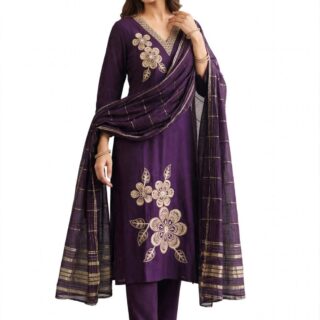 3 pic set #jh110
Original price was: ₹800.00.₹600.00Current price is: ₹600.00.
-
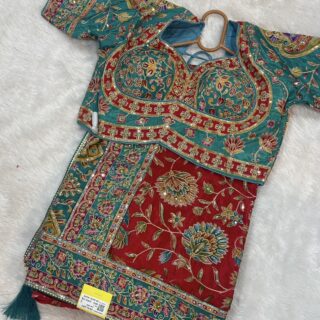 New launch saree #jh109
Original price was: ₹8,500.00.₹4,200.00Current price is: ₹4,200.00.
-
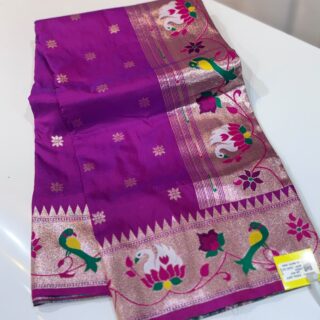 Rajhuns paithani #jh106
Original price was: ₹1,499.00.₹850.00Current price is: ₹850.00.
-
 lehriya anarkali pattern #jh111
Original price was: ₹2,600.00.₹1,400.00Current price is: ₹1,400.00.
-
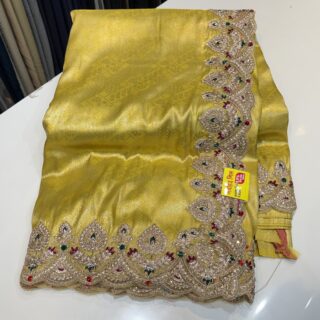 New designer saree #jh110
Original price was: ₹3,700.00.₹2,500.00Current price is: ₹2,500.00.
GALLERY









CLIENT'S TESTOMONIAL

Preeti
Amazing collection and great pricing! The designs are unique, and delivery was super fast.

Rohini
Absolutely love the quality of Jai Hind Mills sarees! The fabric is so soft and elegant. Will shop again!
Unveiling the House Edge: Mastering Odds in Gambling Risks
Gambling has long been a popular pastime, offering excitement, entertainment, and the potential for financial reward. However, it is crucial for players to understand the inherent risks involved in gambling, particularly the concepts of odds and house edge. This article aims to provide a comprehensive overview of these elements, enabling players to make more informed decisions when participating in casino games.
What Are Odds in Gambling?
Odds represent the likelihood of a particular outcome occurring in a game. In gambling, odds can be expressed in various formats, including fractional, decimal, and moneyline. Understanding odds is essential because they directly correlate to the potential payout a player may receive if they win.
- Fractional Odds: Commonly used in the UK, these odds are expressed as a fraction (e.g., 5/1), indicating the profit relative to the stake.
- Decimal Odds: Popular in Europe, decimal odds show the total payout (stake plus profit) for a winning bet (e.g., 6.00 means a profit of 5 units for every 1 unit staked).
- Moneyline Odds: Primarily used in the US, these odds indicate how much profit a bettor can earn on a $100 bet (e.g., +500 indicates a profit of $500 for a $100 bet).
Understanding the House Edge
The house edge is a fundamental concept in gambling, representing the advantage that the casino has over the player. This advantage ensures that over time, the casino will make a profit, regardless of short-term fluctuations in individual games. The house edge varies by game and is typically expressed as a percentage. For example, a game with a 5% house edge means that, on average, the casino expects to keep 5% of all bets placed over time.
How House Edge Affects Your Gambling Experience
Understanding the house edge is crucial for players, as it directly influences the player’s chances of winning. Games with lower house edges are generally more favorable to players. Here are a few examples of common casino games and their typical house edges:
- Baccarat: 1.06% when betting on the banker
- Blackjack: 0.5% with optimal strategy
- Roulette: 2.63% for European roulette
- Slots: 2% to 10%, depending on the machine
Managing Risks in Gambling
While understanding odds and the house edge is important, players must also adopt strategies to manage their risks effectively. Here are some tips to consider:
- Set a Budget: Determine how much money you are willing to spend and stick to that limit.
- Choose Games Wisely: Opt for games with a lower house edge to improve your chances of winning.
- Practice Responsible Gambling: Take breaks and avoid chasing losses to maintain a healthy gambling experience.
- Educate Yourself: Understanding game rules and strategies can significantly affect your performance.
Exploring Alternatives to Traditional Casinos
For those looking for a new environment or different experiences, exploring “wow vegas alternatives” can provide fresh perspectives on gambling while still adhering to the principles of understanding odds and managing risks.
Conclusion
Gambling can be a thrilling activity, but it is vital to approach it with a clear understanding of the associated risks. By grasping the concepts of odds and house edge, players can make informed choices and enhance their gambling experience. Always remember to gamble responsibly and prioritize enjoyment over profit.

ABOUT US

Jai Hind Mills – A trusted name in premium textiles, blending tradition with innovation to deliver superior quality fabrics.
FEATURED PRODUCTS


AD WIDGET

FROM THE BLOG

Step into the world of elegance and tradition with Jaihind Mill’s exclusive saree collection. Whether you’re looking for a classic silk saree, a trendy designer drape, or a light and comfortable daily wear, we have something special for every occasion — and now, you can shop it all online! Our saree collection is carefully curated …
Beautiful Saree Collection Now Available Online – Shop at Jaihind MillRead More