
Categories
 Sarees
 Women’s Wear
 Men's Wear
TOP RATED PRODUCTS
-
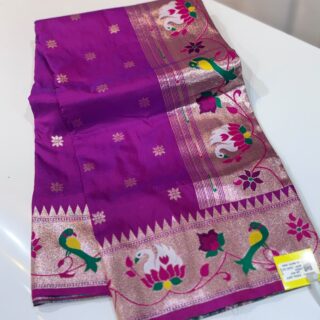 Rajhuns paithani #jh106
Original price was: ₹1,499.00.₹850.00Current price is: ₹850.00.
-
 lehriya anarkali pattern #jh111
Original price was: ₹2,600.00.₹1,400.00Current price is: ₹1,400.00.
-
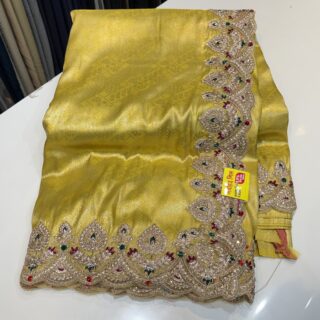 New designer saree #jh110
Original price was: ₹3,700.00.₹2,500.00Current price is: ₹2,500.00.
-
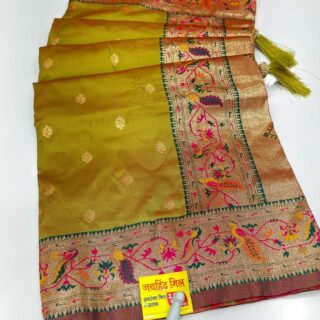 Lotas border saree #jh109
Original price was: ₹1,950.00.₹1,000.00Current price is: ₹1,000.00.
-
 3 pis #jh108
Original price was: ₹1,500.00.₹950.00Current price is: ₹950.00.
GALLERY










CLIENT'S TESTOMONIAL

Preeti
Amazing collection and great pricing! The designs are unique, and delivery was super fast.

Rohini
Absolutely love the quality of Jai Hind Mills sarees! The fabric is so soft and elegant. Will shop again!
Why Consumer Feedback Should Be Evaluated Critically: Separating Genuine Insights From Bias
We see it all the time: a casino site with five stars one day, then a scathing one-star review the next. As UK players, you’re probably scrolling through feedback trying to figure out what’s genuine and what’s just someone having a bad day. The truth? Most consumer feedback contains valuable data, but it also contains noise, emotion, and agenda-driven perspectives. Learning to filter the signal from the noise isn’t just helpful: it’s essential.
The Problem With Taking All Feedback at Face Value
When you treat every review as equally valid, you’re making a fundamental error. A player frustrated by a single late withdrawal might claim the entire platform is ‘a scam’, even though thousands use it daily without issue. Conversely, a promotional post masquerading as genuine feedback inflates ratings artificially.
Here’s what happens when we don’t evaluate critically:
- Distorted averages: One extreme outlier can skew perceived quality significantly
- Invisible context: You don’t know if a reviewer played responsibly or chased losses recklessly
- Time-based changes: Platforms evolve: old reviews may not reflect current operations
- Selection bias: Dissatisfied users often leave reviews: satisfied ones simply move on
Identifying Bias in Customer Reviews and Testimonials
Bias isn’t malicious, it’s human. Every reviewer brings their own baggage: financial stress, unrealistic expectations, or genuine grievances. Spotting these patterns requires learning to read between the lines.
Common bias indicators include:
- Absolutes without nuance: “Always terrible” or “Never had issues” are red flags
- Off-topic complaints: Reviews that focus heavily on unrelated aspects (branding, website design) rather than core functionality
- Vague language: “Bad experience” without specifics often masks emotional reaction rather than fact
Emotional Responses vs. Objective Experience
The critical distinction here is between feeling and observation. A player saying “I lost £200 and felt cheated” is expressing emotion. Saying “The odds stated were 96% RTP, but my results deviated significantly” is attempting objectivity. Neither invalidates the other, but they require different interpretations. Emotional responses tell you about user satisfaction: objective descriptions tell you about actual platform behaviour.
How Personal Circumstances Distort Perspectives
Your financial situation, stress levels, and expectations fundamentally shape how you interpret an experience. A player with a £50 deposit might view a £10 loss as devastating. Another with £1,000 available capital might view it as acceptable variance. Neither is objectively wrong, but their reviews would sound completely different.
Factors that distort feedback:
- Budget constraints: Those playing with limited funds often have lower tolerance for losses
- Addiction patterns: Users struggling with gambling harm may blame platforms rather than their own behaviour
- Skill level: Inexperienced players often misunderstand variance and attribute losses to unfairness
- Life circumstances: Job loss, relationship problems, or health issues create negativity bias toward all experiences
Finding the Signal in the Noise: What Actually Matters
So what feedback actually warrants attention? Focus on patterns rather than individual reviews. If 100 people mention fast withdrawals and 2 complain about slow ones, that’s signal. If withdrawal speed is mentioned inconsistently, it’s noise, likely dependent on user circumstances.
Look for patterns in:
- Regulatory compliance (are people reporting or denying license verification?)
- Technical reliability (do most say the platform is stable or does it crash frequently?)
- Customer service response times (consistent praise or complaints?)
- Payment method functionality (multiple reports of specific issues?
Building a Framework for Evaluating Feedback Effectively
Create a simple evaluation system. For each review, ask:
| Is the complaint specific or vague? | Specific claims are falsifiable: vague ones are emotional |
| Does the reviewer acknowledge their own role? | Accountability suggests balanced perspective |
| Are multiple sources saying similar things? | Convergent feedback is stronger signal |
| Is the timeline clear? | Recent feedback reflects current platform state |
| Does the complaint relate to non GamStop casino regulations or operations? | Regulatory concerns matter more than personal preference |
This framework forces objectivity into your evaluation process.
Red Flags to Watch for in Consumer Responses
Certain characteristics should immediately trigger scepticism. Overly polished reviews (grammatically perfect, marketing language) are often manufactured. Similarly, reviews that read identically to multiple others suggest coordination. Extreme language without supporting detail, “worst company ever,” “absolutely perfect”, lacks credibility.
Most important: watch for reviews that seem unrelated to the actual service. If someone’s only complaint is the colour scheme, they’re probably not giving you useful information about platform integrity or fairness.
We recommend cross-referencing feedback across multiple platforms. One negative review on Trustpilot matters less if Google Reviews and independent forums paint a different picture. Aggregated perspectives, evaluated critically, give you the clearest view of reality.

ABOUT US

Jai Hind Mills – A trusted name in premium textiles, blending tradition with innovation to deliver superior quality fabrics.
FEATURED PRODUCTS


AD WIDGET

FROM THE BLOG

Step into the world of elegance and tradition with Jaihind Mill’s exclusive saree collection. Whether you’re looking for a classic silk saree, a trendy designer drape, or a light and comfortable daily wear, we have something special for every occasion — and now, you can shop it all online! Our saree collection is carefully curated …
Beautiful Saree Collection Now Available Online – Shop at Jaihind MillRead More
Leave a Reply